Roof Maintenance in Mill Valley, CA
Mill Valley Roofing keeps a roof ahead of the fog, rain, and tree litter that wear on homes in this corner of Marin. A maintenance visit clears what collects, reseals what has opened, and replaces the pieces that fail early, so water never gets past the underlayment. Call 6283135855 for a free estimate.
Call 6283135855Roof Maintenance Is a Schedule, Not a One-Time Repair
A rooftop here faces fog most mornings and hard Pacific rain most winters. Roof maintenance is the recurring work that clears what collects, reseals what opens, and replaces what fails early, before water reaches the decking. Two or three visits a year beats one emergency call.
Here is what a maintenance visit actually covers:
- Debris gets cleared from every valley and gutter, because a blocked downspout pushes water sideways under the shingle edges.
- The roof deck gets walked and probed, checking plywood and OSB sheathing for soft spots, rot, and decay around penetrations.
- Framing visible from the attic, meaning rafter, truss, joist, and ridge beam, gets checked for sag, staining, and elevated moisture.
- Pipe boots, pipe flashing, and vent boots get resealed where the rubber collar cracks from sun exposure and salt air.
- Step flashing, counter-flashing, apron flashing, and chimney flashing get re-secured at the chimney, skylight, and dormer.
- Drip edge, eave, rake, fascia, and soffit get inspected for peeling paint, water staining, and soft wood.
- Ridge, ridge cap, and ridge vent get checked along with soffit vent and attic ventilation, so the attic can breathe.
- Hip, gable, and verge lines get walked end to end, with a ladder at the rooftop edges rather than a guess from the driveway.
We also look at the parts nobody thinks about: the purlin and batten on a shed roof, counterbatten spacing under tile, the parapet and coping on a flat section, and the scupper that drains it. Small items. Expensive when missed.
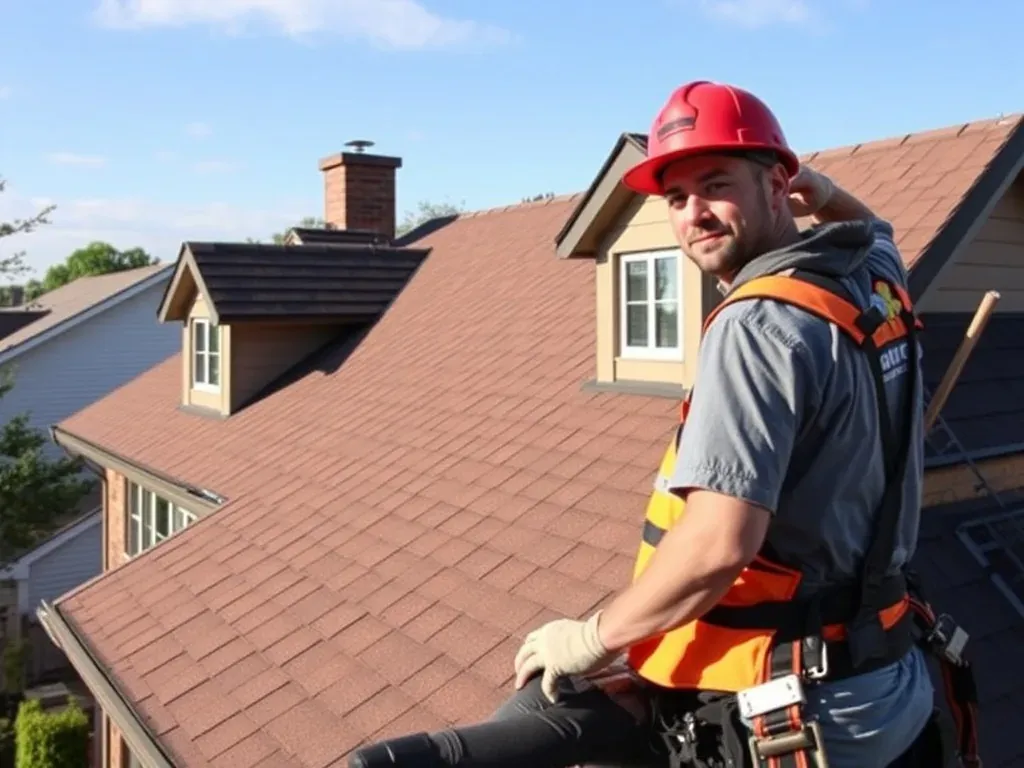
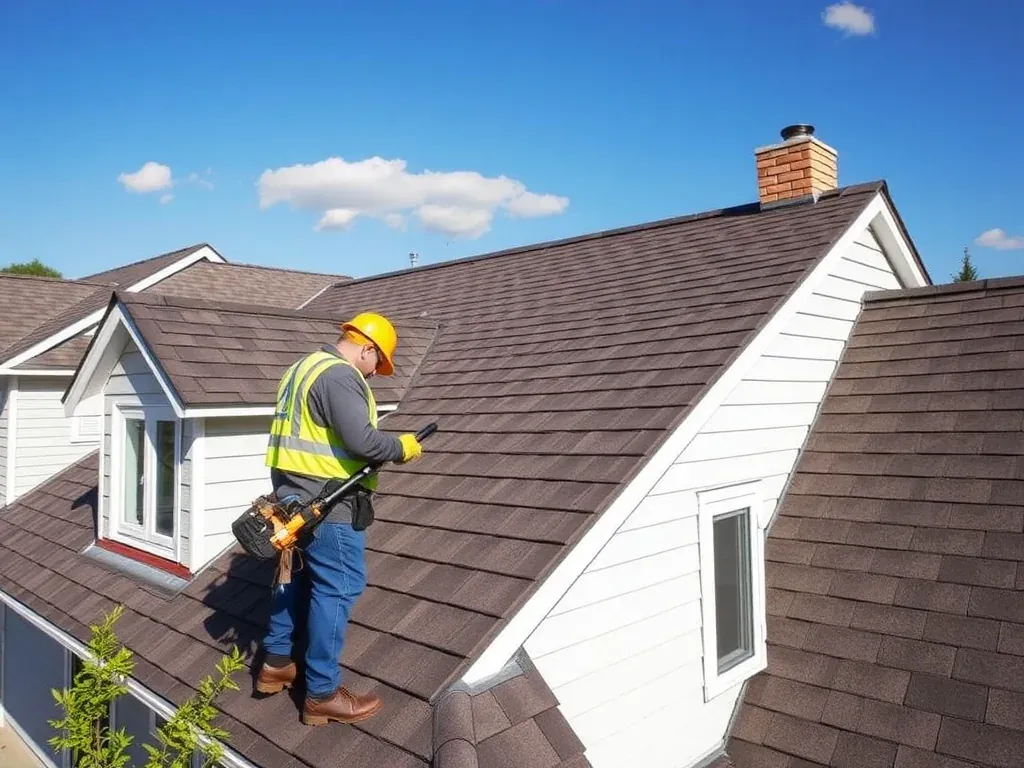
Tools matter. A crew should show up with a ladder or scaffold, roof anchors, and a safety harness for anything above a single story.
An air compressor and nail gun set fasteners properly, a pry bar and roofing shovel open what needs opening, and the dumpster takes the debris at the end.
Roof Maintenance Looks Different on Shingle, Shake, Tile, and Metal
Every roofing material ages on its own curve, so the checklist changes with what is overhead. What we look for on a shingle roof is not what we look for on slate.
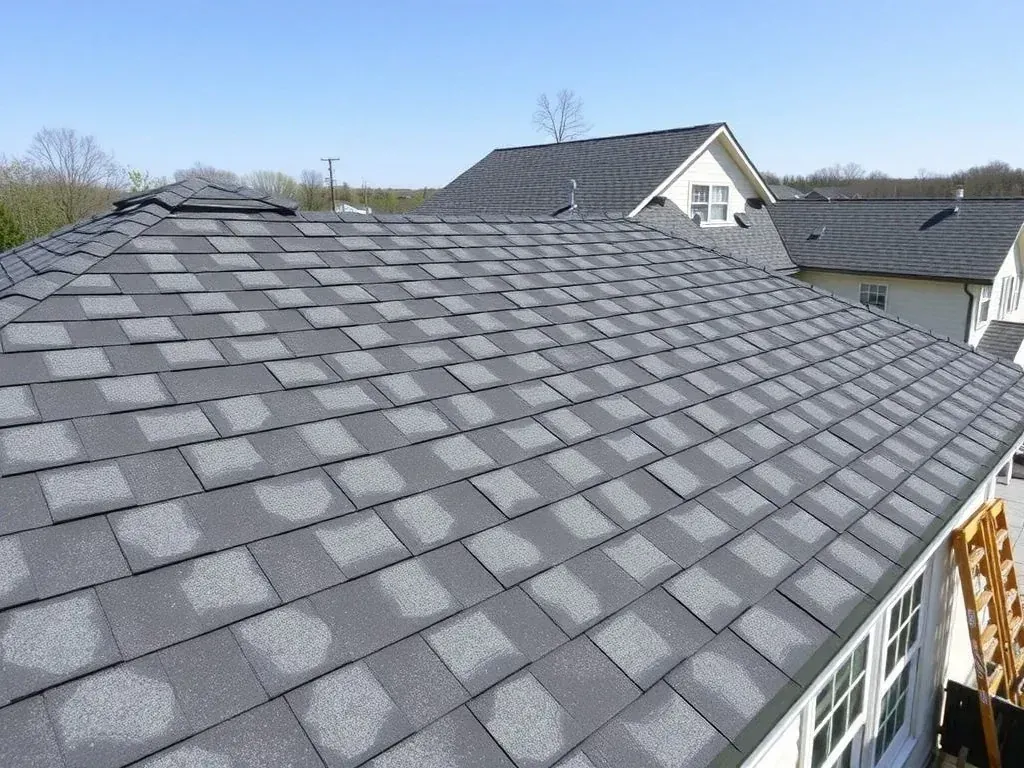
- Asphalt shingle roofs, both three-tab shingle and architectural shingle, show granule loss first, which exposes the asphalt and bitumen beneath the surface.
- Wood shake and cedar shake roofs dry, curl, and split, so individual pieces get swapped and the felt and tar paper underneath get checked.
- Slate, clay tile, and concrete tile last for decades, but cracked pieces, slipped courses, and corroded fasteners need a careful eye.
- Metal panel, standing-seam panel, and corrugated panel roofs depend on exposed fasteners, gaskets, and sealant that back out over time.
- Low-slope assemblies such as TPO, EPDM, PVC membrane, built-up roof, and modified bitumen get checked for ponding, blisters, and open seams.
- Membrane roofs use reinforcing fabric and a repair coat at penetrations, and we check coating dry film thickness before we recoat.
- Unusual shapes, including mansard, gambrel, an entry canopy or awning, and a deep overhang, trap needles differently and get their own pass.
Underneath all of it sits a short list: underlayment, synthetic underlayment, ice-and-water shield, and vapor barrier. When the substrate and decking are sound, most of what a roofer finds is maintenance rather than replacement.
A roof is measured in squares, and one roofing square is 100 square feet. If we can recover or overlay a single existing layer instead of a full tear-off, we will say so, provided the building code and the condition of the deck allow it.
Fasteners decide how long the next layer lasts. Ring-shank nails hold better than smooth ones in wind, screws get used on metal panels, and roofing adhesive under a starter course keeps the rake edge from lifting.
Replacement shingles go down in staggered courses so the field course above laps correctly, and the starter course at the eave sets the whole run.
What Roof Maintenance Costs in Mill Valley
Roof maintenance is priced by the visit, not by the hour, and the number depends on size, pitch, access, and how many details need attention. A routine visit on a simple shingle roof is the least expensive work we do.
- A basic maintenance visit usually runs a few hundred dollars and covers debris removal, a roof inspection, and minor sealant work.
- Adding gutter and downspout clearing, or rescreening an open valley, nudges the price into the mid hundreds.
- Replacing a handful of shingles, resealing chimney flashing, or refitting a pipe boot prices as a small roof repair instead.
- Recoating a low-slope section costs more, because surface prep matters as much as the coating itself.
- Steep pitch, multiple stories, and tile or slate surfaces take longer and may call for scaffold.
- Storm damage repair after a serious winter gets quoted separately, and often runs through an insurance claim.
Every roof estimate is a line-item estimate, so labor, materials, and the specific repair are visible before you approve anything. No mystery totals, and no pressure to sign the same day.
Roof Maintenance on a Coastal Fog and Winter Rain Calendar
Coastal fog and morning moisture do the quiet damage here, and heavy winter rain finishes it. Timing the work around both saves money.
- Late summer and early fall are the right window for a full inspection, before the first atmospheric river storms arrive.
- Fog belt homes grow moss and algae, which hold moisture against the shingle surface and shorten its life.
- After any major storm, gutters, valleys, and flashing deserve a look, since wind-driven rain starts most leaks at the edges.
- Ice dam problems are rare with our mild winters, and a snow guard is almost never needed, though a clogged gutter can still back water under the drip edge.
- Salt air near the coast corrodes fasteners, vents, and metal flashing faster than it does a few miles inland.
Roof Maintenance or Roof Replacement? An Honest Answer
Roof maintenance is the right call when the structure is sound and failures are isolated. It is the wrong call when shingles curl across whole slopes or the decking feels soft in several places.
- Maintain when granule loss is light and only a few shingles are missing, bruised, or cracked.
- Maintain when a leak traces back to one flashing detail, a boot flashing, or a failed sealant bead.
- Replace when the roof shows end-of-life wear, with widespread cracking, blistering, or delamination across the field.
- Replace when rotted sheathing, a saturated roof deck, or sag in the roofline points to structural moisture damage.
We will tell you which one you are looking at. If a targeted repair buys five more years, we say that instead of quoting a tear-off you do not need yet.
Roof Maintenance, Storm Damage, and Insurance Claim Assistance
Storm damage repair is often covered, and the paperwork decides how smoothly it goes. We document what we see before anything gets moved, since the adjuster inspection compares our notes against a storm date.
- We photograph damage, record the storm date, and hand you a written scope to send with your claim.
- Insurance claim assistance means we read the insurance scope with you and flag line items that were left out.
- A supplemental claim can be filed when hidden damage shows up after the tear-off starts.
- We track proof of loss forms and claim deadlines so nothing lapses while you wait on a reserve release.
Weatherproofing at the edges and waterproofing below the surface are two different jobs, and both belong in the scope. We are licensed and insured, and every job carries our workmanship warranty in writing.
Roof Maintenance Tips You Can Handle Yourself
Some of this work does not need a contractor. A few habits keep a roof alive longer between visits.
- Look at the roof from the ground after a storm and note any missing shingle or shifted ridge cap.
- Clear gutters and downspouts before the rainy season, and confirm water runs away from the fascia.
- Trim branches back from the roofline so needles stop dropping into valleys.
- Check the attic after heavy rain for ceiling stains, damp insulation, or a musty smell.
- Keep an attic fan and soffit vent clear, and never bury ventilation with added attic insulation.
Energy efficiency belongs in the same conversation. Owens Corning Duration Cool Series and CertainTeed Landmark PRO use reflective granules and algae resistance, and a cool roof coating can lower attic heat. On a reroof, GAF Timberline HDZ is the shingle we install most often.
Roofing technology keeps improving, and green roofing options are real, though not every structure can carry the added load. We will tell you honestly if yours cannot.
Roof Maintenance Questions We Hear Most
How often does roof maintenance need to happen?
Roof maintenance should happen twice a year here, once before the rainy season and once in spring, plus a quick look after any major storm. Homes under heavy tree cover often need a third visit to clear debris.
What does a maintenance visit include?
Roof maintenance involves clearing debris, inspecting decking and flashing, resealing penetrations, checking gutters and downspouts, and confirming attic ventilation. You get a written report with photos and a roof estimate for anything we recommend. Mastic and roof cement handle small vent gaps, and a torch comes out only for modified bitumen seams.
Can maintenance stop a leak?
Roof maintenance stops most leaks that begin at a sealant joint, a pipe boot, or a flashing detail. Water that has already wicked into the sheathing needs a repair, and we show you the difference before quoting either one.
Is it worth maintaining an older roof?
Roof maintenance is worth it on an older roof when the deck is solid. It extends the years you get from worn shingles and catches failures early, though it will not reverse end-of-life wear on a roof already past its service life.
Do you help with insurance after storm damage?
Roof maintenance after a storm often overlaps with a claim, so we document the damage, meet the adjuster inspection, and help file a supplemental claim when hidden rot turns up. That falls under our insurance claim assistance.
What's Included
- A full roof inspection with photos, covering shingles, flashing, vents, and the chimney
- Debris removal from valleys, gutters, and downspouts before it dams water at the eave
- Resealing pipe boots, step flashing, counter-flashing, and chimney flashing
- Replacing missing or cracked shingles in staggered courses so the field matches
- Patching small vent gaps with mastic or roof cement, plus fresh sealant at joints that move
- Checking the roof deck, plywood sheathing, and attic side of the framing for rot or sag
- A written report with a line-item estimate for anything we recommend fixing
- Our workmanship warranty on every repair, whether it takes an hour or a full day
Our Roof Maintenance Process
- Inspection first. We walk the roof, photograph every detail, and check the attic side of the decking and framing before we quote anything. Expect 45 minutes to an hour on a typical home.
- Written scope second. You get a line-item estimate separating labor and materials, with urgent repairs marked apart from what can safely wait a season.
- Scheduling third. Most maintenance work happens in one visit. Anything needing a dumpster gets booked around dry weather, usually within a week or two.
- The work itself. We clear debris, reseal flashing and penetrations, refit boots, replace lifted shingles, and reset the ridge cap where wind has pulled fasteners.
- Cleanup and water test. Magnets sweep the lawn and driveway for nails, the dumpster takes the debris, and we run water at every repaired detail before calling it done.
- Documentation last. You get photos of the finished work, the warranty in writing, and a short note on what to watch before the next rainy season.
Signs You Need Roof Maintenance
Signs You Need Roof Maintenance Now
- Missing or cracked shingles visible from the ground, especially after a windy storm.
- Dark streaks or moss patches on the roof surface, common on north slopes where coastal fog hangs on.
- Water stains on interior ceilings or walls, which usually mean water has already wicked into the sheathing.
- Granules collecting in gutters or downspouts, a sign the asphalt shingle surface is losing its protective layer.
- Rust streaks or pitted metal on flashing, vents, and fasteners near the coast.
- Shingles that curl, buckle, or lift along the eave and rake after a hard rain.
- Daylight or damp framing in the attic, which points to a leak around a chimney, skylight, or pipe boot.
Don't just take our word for it — hear from our satisfied customers.
We had moss along the north slope and water stains on the ceiling above our bedroom. They cleared the debris, replaced about a dozen shingles, and resealed the flashing around the chimney. Two winters later, still dry.
Our gutters filled with granules and needles every fall and we could not work out where the water was getting in. The inspection report showed a cracked pipe boot and a bad sealant bead. Fixed in one visit.
They found soft decking under a dormer before it turned into a full replacement. The estimate was written line by line, so we could see exactly what we were paying for.
Ready to get started? Call us today at 6283135855 for a free estimate.
Free estimates · Licensed & Insured certified · up to 50-year warranty
Call 6283135855