Cedar Shake Roofing in Mill Valley, CA
Mill Valley Roofing repairs, restores, and replaces cedar shake roofs across Mill Valley, where coastal fog and winter rain age a wood roof faster than sun does. Cedar swells, dries, and moves, so the fix is rarely just swapping a few shakes. Call 628-313-5855 for a free roof estimate.
Call 6283135855What Cedar Shake Roofing Involves
Cedar shake roofing is the work of laying split or sawn wood shakes over a deck that can breathe. Cedar moves with moisture, so the layers under it matter as much as the shakes you see.
A roofing square of shake covers 100 square feet, and most Mill Valley homes run 20 to 35 squares. Wet cedar is heavy. On older homes we check the trusses, rafters, and joists before we quote.
- The roof deck, plywood or OSB sheathing, has to be solid before a nail goes in; rot, decay, or soft spots where the framing sags or settles is why a new roof fails early.
- Synthetic underlayment or roofing felt goes over the deck, and tar paper is thinner stock we use only where the budget truly calls for it.
- Ice-and-water shield is a self-adhered adhesive membrane that protects valleys and eave edges, where wind-driven rain and an ice dam push water uphill.
- Step flashing and counter-flashing seal the joint where a roof meets a sidewall, which is the leak we get called about most.
- Chimney flashing and pipe flashing cover the two most common penetration leaks; a vent boot, also called a pipe boot, cracks first.
- Drip edge, fascia, soffit, gutter, and downspout move water off the eave instead of letting it wick into the raked verge.
- Ridge cap and ridge vent finish the ridge line so heat and moisture escape, and the hip, ridge beam, and roofline all get checked at the same time.
Shake Grades and Materials We Install
Not all cedar is the same, and the grade you choose decides how the roof looks in year fifteen. We walk you through the three grades we install and where each one makes sense on a Mill Valley home.
- Certi-Split No. 1 is hand-split and resawn, with the straightest grain and fewest defects, and it is usually the right call for a front slope you actually see.
- Certi-Sawn No. 1 is taper-sawn with straight grain, a cleaner and more uniform look that takes stain evenly across the field course.
- Certi-Grade No. 2 carries some defects and shorter pieces, which makes it a practical choice on a back slope or a shed roof.
- Dimensional cedar gives you consistent thickness; split cedar gives you the shadow lines that make a real wood shake roof worth the money.
- Battens and counterbattens create the air channel over a substrate, which is how a wood roof dries out after a run of foggy mornings.
- Purlin and skip sheathing framing shows up on older Marin homes and has to be evaluated before we add any weight.
We also install copper flashing, aluminum drip edge, and mastic or roof cement where a hand-sealed joint beats a mechanical one.
What Cedar Shake Roofing Costs
Cedar shake roofing costs more than asphalt because the material is wood and the labor is slower. A full tear-off and replacement typically lands between $12 and $25 per square foot installed.
Grade, roof pitch, and access drive most of the spread. A steep two-story house needing a scaffold costs more than a single-story ranch where we can set a ladder and a dumpster in the driveway.
- Shake grade, since Certi-Split No. 1 costs more per bundle than Certi-Grade No. 2 and holds up longer on a weather-beaten slope.
- Roof pitch and height, because anything over 8/12 pitch needs staging and slower, safer work.
- Deck repairs, since rotted sheathing, a cracked joist, or a failing rafter has to be fixed before new shake goes down.
- Flashing scope, because reusing old flashing saves money while new copper step flashing and chimney flashing is the reason the next roof lasts.
- Disposal, because shake is bulky and a full tear-off fills a dumpster fast.
We do not overlay new shake over old. A recover adds weight, hides rot, and costs you more later, so as a Mill Valley roofing contractor we would rather show you the deck now.
What Mill Valley Weather Does to a Cedar Shake Roof
Coastal fog and morning moisture are why cedar roofs here grow moss faster than the same roof twenty miles inland. Cedar gets wet, then dries. Repeat that cycle for a decade and the shakes cup and curl.
- Cupping and curling come from moisture cycling and open gaps where water seeps past the shake and into the deck.
- Moss and dark, algae-stained patches take over shaded slopes below Mount Tamalpais and under heavy tree canopy.
- UV exposure erodes the surface of the shakes, and the layers underneath begin to flake and peel away.
- Nail popping follows thermal expansion, and a popped fastener leaves a shake loose enough to lift in a winter wind.
- Heavy Pacific storms find failed sealant, cracked mastic, and blistered or buckled shakes before anything else.
- Gutters and downspouts clog with needle drop, which is how ponding water starts sitting where it should not.
- End-of-life wear shows up first on the south and west faces, and those are the slopes we inspect hardest.
Rooftop Details We Treat One at a Time
A cedar roof has more detail work than an asphalt field. Every penetration and every roofline change is a place water gets in, so each one gets its own repair.
- A skylight gets new boot flashing and apron flashing, because the old curb seal is usually the source of the drip.
- A dormer or a gable end wall adds two valleys and a wall, and both need step flashing and counter-flashing done right.
- A parapet with coping and a scupper belongs to flat-adjacent sections, where a membrane such as TPO, EPDM, or PVC membrane handles water that shake never could.
- A mansard or gambrel roof mixes pitches, so the transition between them gets extra underlayment and a wider flashing bead.
- An overhang, canopy, or awning above a door traps debris and needs the same drip edge and fascia care as the main eave.
- Snow guards are rare here, but when a north slope above a walkway needs them we anchor them into solid framing instead of shake.
Tools, Safety, and Site Setup on a Cedar Shake Job
A cedar tear-off is heavier work than most homeowners expect, and the setup is half of doing it safely. Here is what shows up in your driveway on day one.
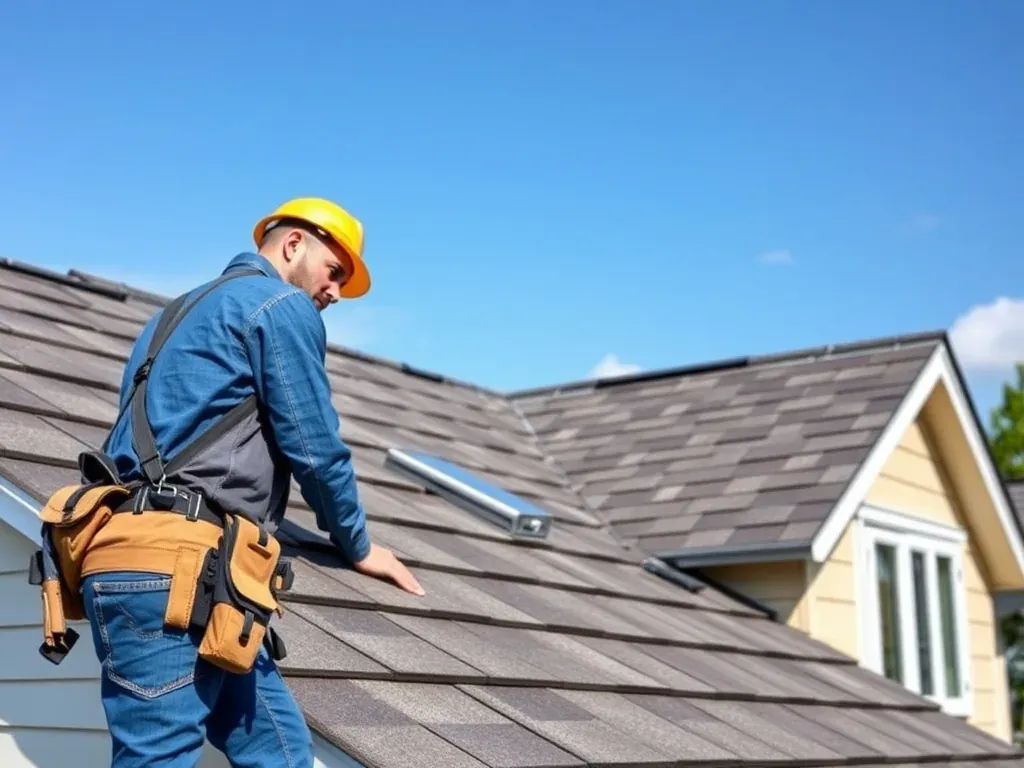
- A rooftop inspection first, so our roof estimate reflects what is actually up there rather than a number pulled from a satellite photo.
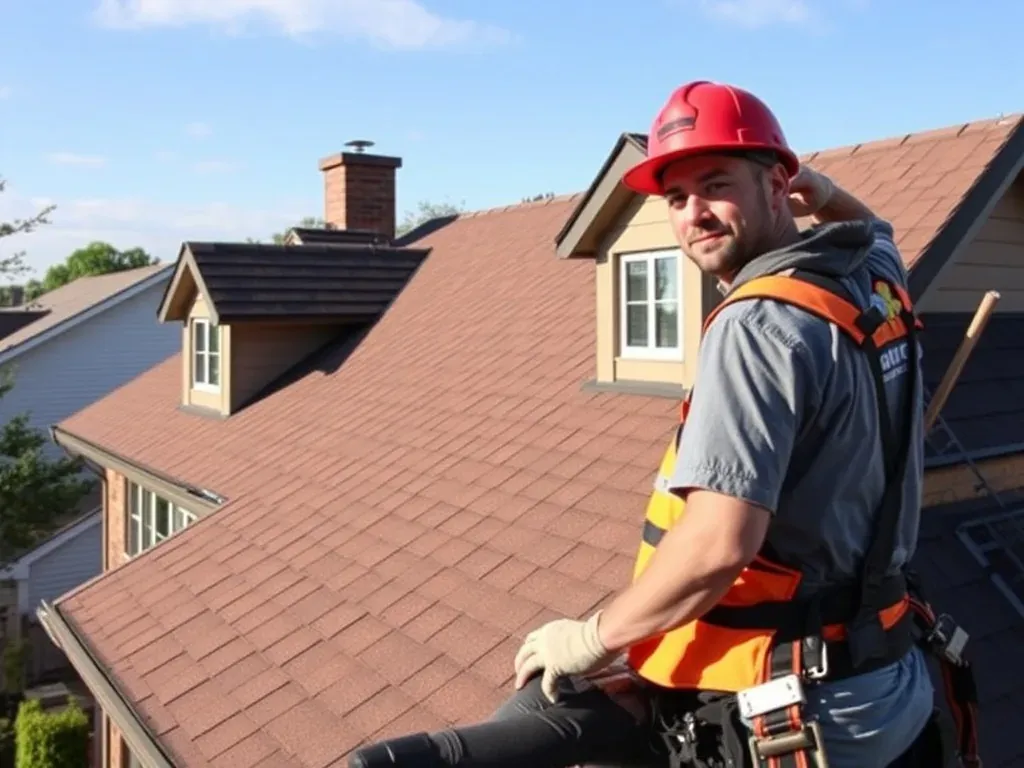
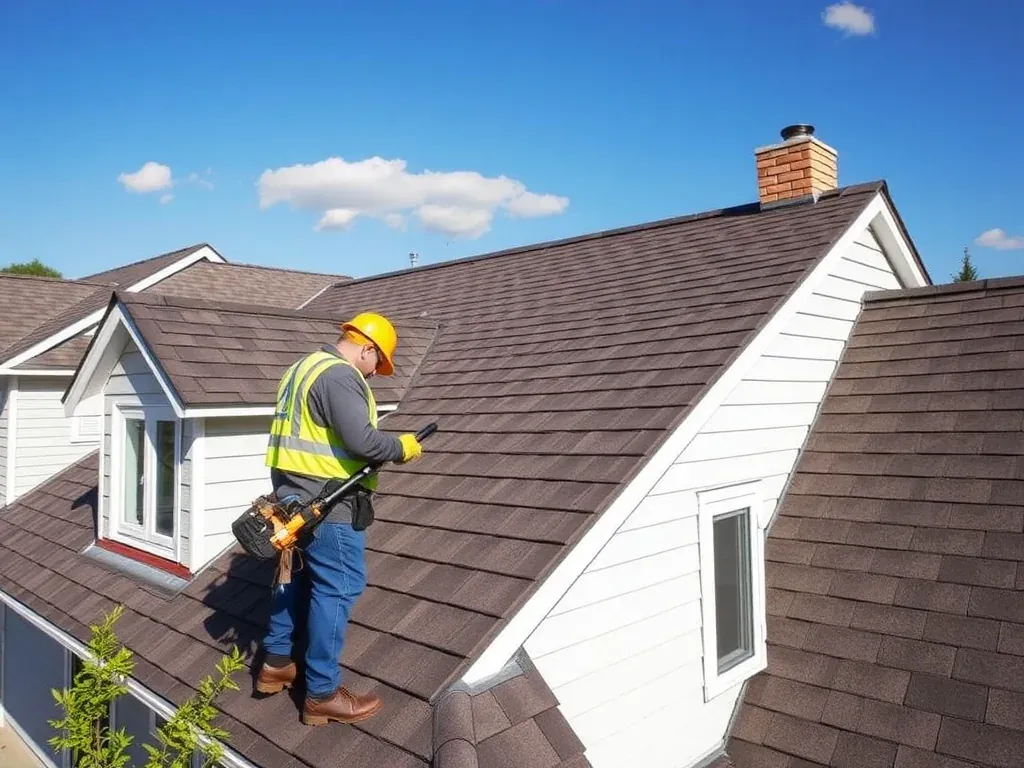
- Scaffold on the uphill side, a ladder at the low eave, and a safety harness for anyone working the field course.
- A dumpster for debris, plus tarps over the shrub beds so cedar splinters and old nails do not end up in the garden.
- Pry bars, roofing shovels, and hammers for the tear-off, and nothing salvageable gets reused unless it passes inspection.
- A nail gun and air compressor drive ring-shank nails through the starter course and every course after it; we keep courses staggered so joints never line up.
- A torch and roof cement only where a hand-sealed detail calls for it, plus caulk, sealant, and fresh screws for a final waterproofing and weatherproofing pass.
- Magnet sweeps at the end of every day, because a nail in a driveway tire is an easy way to lose a neighbor's trust.
Insurance Claims, Permits, and Warranty
A storm-damaged shake roof is often covered by insurance, and we help document it. We photograph the damage, write a line-item estimate, and meet your adjuster on the roof.
- Marin County building code requires a permit for a reroof over 25% of the roof area, and California Title 24 may apply.
- A claim moves faster with dated storm photos and a scope that matches current industry pricing.
- Ventilation upgrades, including a ridge vent, soffit vents, and an attic fan, keep attic insulation dry and can be written into the claim.
- A vapor barrier and proper exhaust keep moisture out of the attic, which is the single biggest factor in how long a wood roof lasts.
Hiring a roofing contractor for a wood roof is different from hiring one for asphalt. Ask how they handle disposal, deck repair, and ventilation, because those three decide whether the new roof lasts.
How Cedar Shake Compares to Other Roofing Materials
Cedar is not right for every house, and we will tell you when it is not. A good roofer who has torn off enough Marin roofs knows when weight, pitch, or fire rating rules wood out.
- Asphalt shingles are the least expensive option, and a fiberglass-based architectural shingle outlasts a three-tab shingle and installs far faster.
- Composite shakes and other coated synthetic profiles mimic wood without the moss, but they never age into the silver-gray of real wood shake.
- Slate lasts longest and weighs the most, and it is the wrong answer unless the framing was built to carry it.
- Clay tile and concrete tile handle fire well, yet both are heavy and brittle underfoot on a steep pitch.
- Metal panel, standing-seam panel, and corrugated panel shed rain well and reflect heat when finished with a reflective coating.
- Flat sections do better with a membrane system or a built-up roof and modified bitumen over a bituminous base.
- Tar, asphalt, and bitumen products have their place, but they run hot and dry a wood roof out from underneath.
- Copper and aluminum both work for flashing, though copper lasts decades longer and weathers to a soft brown.
If a cheaper roof is the goal, asphalt shingles from manufacturers like GAF, Owens Corning, or CertainTeed are a sound choice for many homes. Cedar is the choice when you want the look and can keep up with maintenance.
What's Included
- Cedar shake removal and tear-off down to the deck, with the old material hauled off in a dumpster and the yard magnet-swept for nails.
- Deck inspection and repair, replacing rotted sheathing, plywood, or OSB and sistering any rafter or joist that has lost its strength.
- New synthetic underlayment and self-adhered ice-and-water shield at every valley, eave, and penetration.
- New step flashing, counter-flashing, chimney flashing, pipe flashing, and vent boot set in copper or aluminum.
- Certi-Split No. 1, Certi-Sawn No. 1, or Certi-Grade No. 2 cedar installed with ring-shank nails and staggered courses over battens.
- Ridge cap, ridge vent, drip edge, and fascia work, plus gutter and downspout cleaning so water leaves the eave.
- Job site protection, daily debris cleanup, and a final walkthrough where we photograph every detail before we leave.
- A written workmanship warranty in plain language, explained before the first day of work rather than after.
Our Cedar Shake Roofing Process
- Roof inspection and estimate. We walk the roof, check the deck from the attic side, measure in roofing squares, and hand you a line-item roof estimate with shake grade options spelled out.
- Permits and scheduling. We pull the permit required under Marin County building code, confirm whether Title 24 applies, and order cedar so it is on site before the dumpster arrives.
- Tear-off and deck repair. Tarps go down, the dumpster lands in the driveway, and we strip the old shakes to the decking. Bad sheathing, rot, or a cracked joist gets fixed before anything new is laid.
- Underlayment and flashing. Ice-and-water shield goes into the valleys and eaves, synthetic underlayment covers the field, and every flashing detail, from step flashing to the pipe boot, is set and sealed.
- Shake installation. Battens and counterbattens create the air channel, then shakes go down in staggered courses fastened with ring-shank nails, finishing at the ridge cap and ridge vent.
- Cleanup and final inspection. We magnet-sweep the yard, run a hose test on the valleys, photograph the finished roof from the rooftop, and review the warranty with you.
Signs You Need Cedar Shake Roofing
Signs Your Cedar Shake Roof Needs Attention in Mill Valley
- Visible gaps between shakes, where wind-driven rain can reach the underlayment instead of running off.
- Dark streaks or green patches on the north slope, which means moss and algae-stained shakes are holding moisture against the wood.
- Shakes lifting or buckling, a sign that fasteners have popped and the shakes are losing their grip.
- Water stains on interior ceilings or attic sheathing, the clearest proof that water is getting past the shakes and the felt.
- Cupping and curling at the shake edges, caused by years of fog, morning moisture, and repeated wet-dry cycling.
- Crumbling, split shake ends and piles of wood fragments in the gutter, which point to end-of-life wear rather than a spot fix.
- Moss growing along the ridge and in shaded valleys below Mount Tamalpais, where coastal humidity lingers longest.
- Daylight or a soft, spongy feel at the roof deck when you check from the attic after a heavy Pacific storm.
Don't just take our word for it — hear from our satisfied customers.
We had moss across the whole north slope and two shakes lifting near the ridge. The crew tore off the old cedar, found rotted sheathing at the eave, and replaced it before installing new underlayment. They magnet-swept the driveway twice. Honest, straight answers from the first estimate. — Dana R., Homestead Valley
Our 1960s home had skip sheathing and we were told by two other companies it just needed a recover. Mill Valley Roofing showed us photos of the rot underneath and explained why an overlay would have been a mistake. The new cedar shakes look fantastic and the attic finally vents properly. — Miguel S., Strawberry
After a winter storm we had water staining a bedroom ceiling. They handled the insurance photos, met our adjuster on the roof, and replaced the chimney flashing and the cracked vent boot. Dry ever since, through two more rainy seasons. — Kate L., Alto
Ready to get started? Call us today at 6283135855 for a free estimate.
Free estimates · Licensed & Insured certified · up to 50-year warranty
Call 6283135855